ChatGPT:
Minimalist home design is a modern lifestyle concept built upon simplicity, functionality, and aesthetic balance. In today’s urban environments filled with speed, congestion, and chaos, many individuals adopt the minimalist approach as a means of finding peace and order. This style offers not only visual clarity but also mental serenity, fostering a calm and simplified way of living.
In this article, we will examine in detail the key elements to consider when implementing minimalist home design.
1. The Core Philosophy of Minimalist Design
Minimalism is founded on the principle of “less is more.” The primary objective of this approach is to eliminate unnecessary objects and create simple yet functional living spaces. In a minimalist home, every item serves a distinct purpose. To establish a spacious and uncluttered atmosphere, it is essential first to remove excess elements from the environment.
Transforming a home into a minimalist space is not merely a matter of decoration but a lifestyle choice. This perspective promotes conscious consumption and encourages individuals to embrace simplicity.
2. Simplicity and Balance in Color Selection
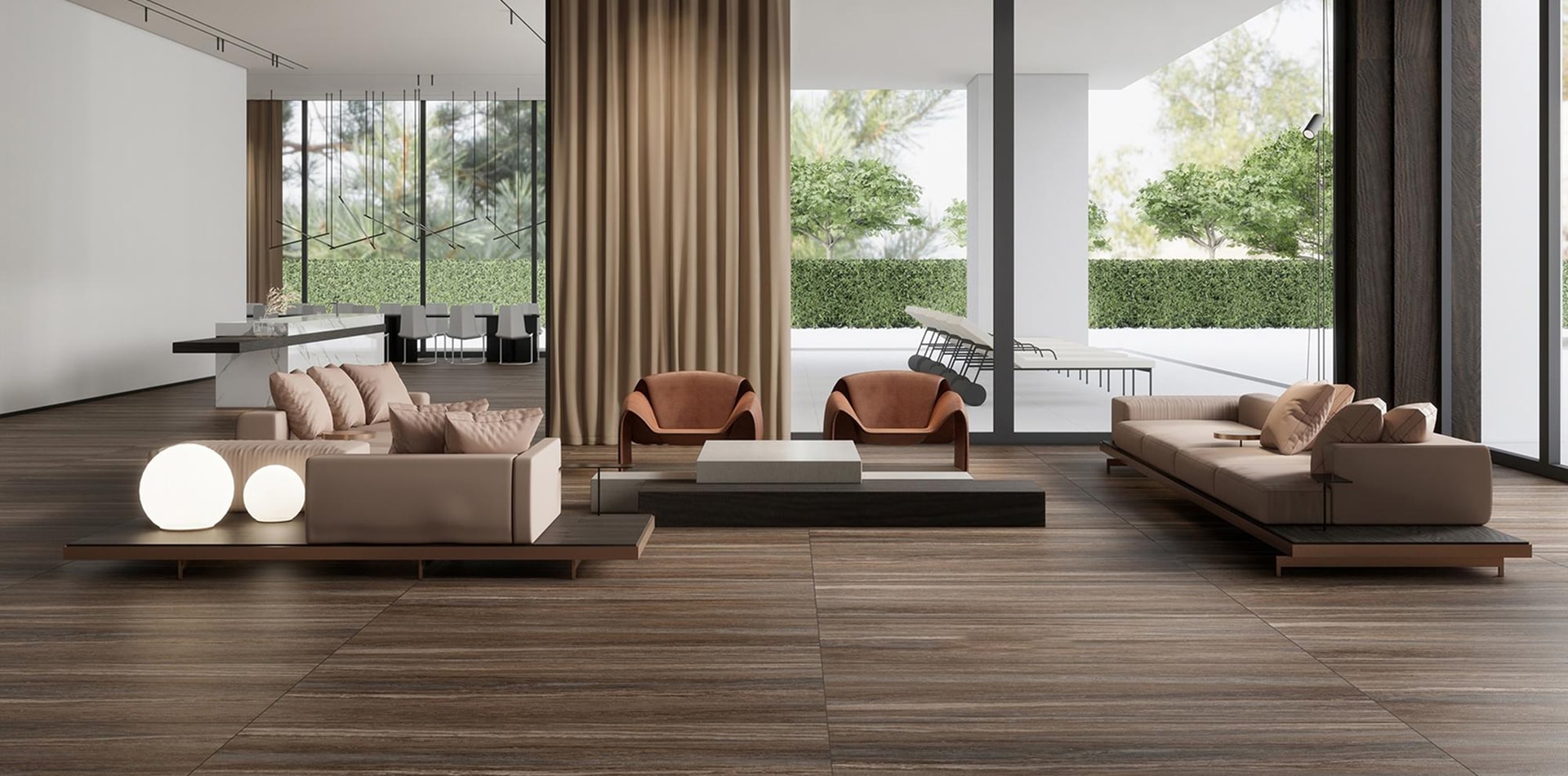
Minimalist interior design prioritizes the thoughtful use of color. Typically, neutral tones such as white, beige, gray, light brown, and cream are preferred. These hues enhance the sense of openness while visually expanding the space.
However, relying solely on a single color may result in monotony. Therefore, incorporating contrasting elements—such as wooden textures, soft-toned textiles, or black metal accents—adds depth and character to the room.
Matte finishes on walls and minimal textures in furniture help preserve visual simplicity, while simultaneously creating a warm and inviting atmosphere.
3. Prioritizing Functionality in Furniture Selection
In a minimalist home, furniture must be simple, elegant, and multifunctional. Functional furniture constitutes one of the fundamental aspects of minimalism. For example, ottomans that provide both storage and seating, coffee tables with hidden compartments, or foldable dining tables are indispensable features of this style.
Investing in fewer but higher-quality pieces yields long-term aesthetic and practical benefits. Sharp lines, light colors, and smooth surfaces should be preferred, whereas intricate patterns, excessive ornamentation, or overly complex details contradict the minimalist ethos.
4. Lighting: The Key to Minimalism
Natural light is the most powerful complement to minimalist home design. Spaces should allow maximum sunlight penetration. Large windows, sheer curtains, and light-colored fabrics should be used to prevent blocking natural illumination.
For evening lighting, warm-toned and simply shaped lamps are ideal. Table lamps, pendant lights, or recessed spotlights can enhance both the functionality and the visual harmony of a minimalist environment.
Softly diffused lighting across walls, furniture, and surfaces reinforces the tranquil and serene ambiance that defines minimalist spaces.
5. Maintaining Balance in the Use of Accessories
Minimalism does not completely reject the use of accessories; instead, it advocates for moderation. Decorative objects should express the soul of the space. Hence, fewer yet meaningful accessories are more suitable.
Rather than filling walls with multiple artworks, a single framed piece may suffice; similarly, a few ceramic items or plants on shelves can reflect the minimalist spirit.
Plants bring natural texture and liveliness to the room. Particularly, green tones harmonizing with white and gray can create balance and freshness within minimalist interiors.
6. Organization and Space Management
One of the most critical aspects of organization in minimalist design is maintaining structure and clarity. Every item should have a designated place, ensuring that unnecessary clutter is removed.
Closed storage systems are preferable to open shelving, as they maintain visual cleanliness. Tangled cables, crowded desks, and excessive ornaments disrupt the minimalist aesthetic.
A well-organized living area not only enhances aesthetic appeal but also contributes to mental clarity. Essentially, minimalist home design aims to create “visual silence”—spaces that are calm, balanced, and pleasing to the eye.
7. Creating Warmth with Natural Materials
Minimalist interiors often incorporate natural materials such as wood, stone, linen, cotton, and glass, all of which emphasize authenticity and simplicity.
These materials not only enhance aesthetic value but also generate a sense of warmth. For instance, light oak flooring, white walls, and black metal accents create a harmonious minimalist contrast.
The use of natural elements also aligns with the sustainability principles central to minimalist living.
8. Key Takeaways for Minimalist Home Design
-
Fewer items, more space: Eliminate unnecessary objects.
-
Neutral color palette: Choose tones of white, gray, and beige.
-
Natural light: Enhance spatial brightness and openness.
-
Functional furniture: Combine aesthetic appeal with practicality.
-
Order and simplicity: Avoid visual clutter.
-
Natural textures: Use wooden and textile surfaces to add warmth.